


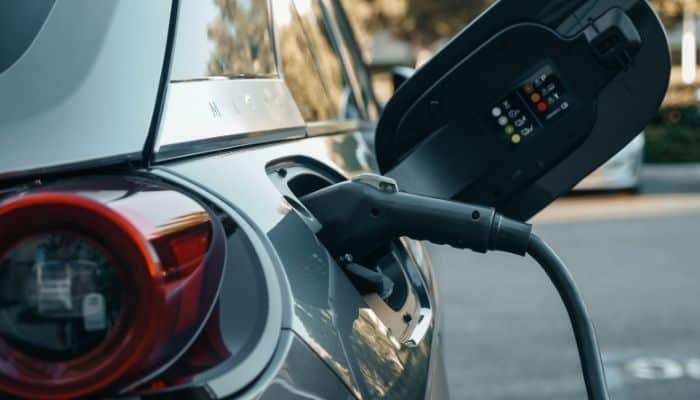
EV Charger Not Working? Common Home Charging Problems in Maryland
You plugged in your EV last night, expecting a full battery this morning — but nothing happened. It’s a frustrating way to start the day, especially when you’re counting on that range. The good news is that some EV charging problems are simple, and you can safely check a few things yourself before calling anyone. This guide walks you through those checks one step at a time, in plain language. It also tells you exactly when to stop and call a professional for EV charger repair, because some issues are not safe to handle on your own.
A Step-by-Step Guide to Troubleshooting Your EV Charger
Work through these steps in order. If your charger starts working at any point, you’re done. If you reach a step that tells you to call a professional, please stop there — pushing further with electrical problems can be dangerous.
Step 1: Check the Simple Things First
Before you worry, rule out the easy explanations. These are the most common reasons an EV charger seems “broken” when it isn’t.
First, make sure the charger connector is pushed firmly into your car’s charging port. It should click into place. Next, check your vehicle’s charging screen or app for a scheduled charging timer. Many EVs let you set a delayed start time, and it’s very easy to switch this on by accident — which makes the car look like it won’t charge when it’s simply waiting. Finally, confirm your car isn’t already fully charged.
These sound almost too basic, but they solve a surprising number of “my charger stopped working” calls.
Step 2: Look at the Charger and Cable
Next, take a close look at the equipment itself — but only look, don’t take anything apart. With your eyes, check the charging cable and connector for any visible damage: cracks, frayed wires, melted spots, or debris inside the connector. Maryland weather is tough on outdoor equipment, so this matters.
Stop and call a professional if: you see any burn marks, melting, exposed wires, or scorching. Do not touch or keep using a charger that shows these signs — that’s a fire and shock hazard, not a DIY fix.
Step 3: Check Your Circuit Breaker
If everything looks fine, head to your electrical panel — the gray metal box with all the switches. An EV charger uses a lot of power, so a “tripped” breaker is a common culprit.
Look for a breaker that’s flipped to the middle or “off” position (the others will be “on”). To reset it, push it firmly all the way off, then back on. Then try charging again.
Stop and call a professional if: the breaker trips again, especially right away or repeatedly. A breaker that keeps tripping is doing its job — it’s warning you of an overloaded or faulty circuit. Resetting it over and over is genuinely dangerous, so this is the point to call an electrician rather than keep trying.
Step 4: Read the Lights and Error Codes
Modern chargers try to tell you what’s wrong. Look at the indicator lights on the charger or open its app, and check for any error codes or blinking patterns. Then look that code up in your charger’s manual (or the manufacturer’s website).
Some codes mean something minor, like a communication hiccup that a simple restart fixes — many chargers have a power button or can be unplugged from the wall unit and plugged back in. Other codes, though, point to ground faults, wiring faults, or power-supply problems.
Stop and call a professional if: the error code mentions a ground fault, wiring issue, or anything about the electrical supply. Those aren’t charger problems you can fix — they’re electrical system problems that need a licensed electrician.
Step 5: Notice If the Problem Is Bigger Than the Charger
Sometimes the charger is fine, and your home’s electrical system is the real issue. This is common in older Maryland homes that weren’t built for today’s electrical demands.
Watch for clues like: the charger only works sometimes, it charges much slower than it should, or it trips the breaker whenever the load gets high. These patterns usually point to an overtaxed panel or an undersized circuit rather than the charger itself.
In these cases, the fix is electrical, not mechanical. An electrical panel upgrade or a properly sized dedicated circuit often solves recurring charging problems for good. This is professional work — our electricians can test your panel, circuit, and wiring to find the true cause instead of guessing.
When to Skip the Steps and Just Call a Pro
To be clear, some situations mean you should stop troubleshooting entirely and call right away. Reach out for professional help immediately if you notice a burning smell, see smoke or scorch marks, feel heat coming off the outlet or charger, get any kind of shock, or see water near the equipment. These are safety emergencies, not maintenance issues.
Because an EV charger handles a heavy, continuous electrical load, a faulty one isn’t something to patch or ignore. A licensed electrician can safely diagnose whether the fault is in the charger, the circuit, or the panel — and fix it correctly the first time.
Get Your EV Charger Working Again
If you’ve worked through these steps and your charger still isn’t charging — or you hit any of the warning signs above — don’t stress, and don’t force it. Venus Electric is a trusted, woman-owned electrical company serving Millersville, Severna Park, Columbia, and the surrounding Anne Arundel County area. Our licensed electricians will track down the problem and fix it safely. And if you’re still learning the basics of home charging, our guide on what to know before you buy an EV charger is a helpful companion.
Don’t let a dead charger leave you stranded. Contact Venus Electric today or call 443-747-7909 for expert EV charger repair in Maryland.